ADAPTABLE, a PCORnet® Demonstration Project, Offers a Template for Future Pragmatic Studies

Two manuscripts recently published in peer-reviewed journals offer researchers a glimpse into the opportunities and challenges for novel pragmatic trials like Aspirin Dosing: A Patient-Centric Trial Assessing Benefits and Long-term Effectiveness (ADAPTABLE), a demonstration project of PCORnet®, the National Patient-Centered Clinical Research Network. The publications highlight separate, but equally important, topics of interest in pragmatic research: maximizing clinician engagement and navigating institutional review board (IRB) challenges.

ADAPTABLE, a multicenter, open-label, randomized controlled trial, is the first interventional study conducted across PCORnet. The ADAPTABLE study team is using PCORnet’s broad and rich data resources to examine high-dose versus low-dose aspirin for prevention of heart attack and stroke among patients with cardiovascular disease.

One manuscript published in Clinical Trials shares how ADAPTABLE has used new approaches to break down traditional barriers to clinician engagement, such as time limitations, insufficient research infrastructure, or lack of research training. While clinician engagement is important in all clinical research, it is particularly essential for pragmatic trials, which are conducted in real-world clinical settings and require that researchers and clinicians operate toward shared goals. The paper assesses how tactics like empowering clinician champions, periodic newsletters, and coordinated team celebrations fared in regard to their merit and utility in a pragmatic trial setting.

Novel pragmatic methods like those deployed in ADAPTABLE are intended to improve the participant experience, but unfamiliar approaches can also spark new — and justified — considerations for IRBs that can potentially make the evaluation of these studies more complex. A recent manuscript published in Trials explores unforeseen challenges the ADAPTABLE team encountered regarding centralized IRB evaluation, electronic informed consent, patient engagement, and risk determination, as well as how the study team pivoted in response. It offers lessons in upfront planning to mitigate these challenges in future pragmatic research.

Together, manuscripts like these are providing the research community a valuable template for pragmatic studies, which are important to help us understand how interventions perform in the real world. Full results from ADAPTABLE are expected in May 2021. Be on the lookout for more PCORnet-enabled research in the coming months!

CDC Uses PCORnet® Resources to Shape National Understanding of COVID-19

Network Partners of PCORnet®, the National Patient-Centered Clinical Research Network, are leveraging their rich data to help answer important questions during the COVID-19 pandemic. One of the early collaborators with this work is the U.S. Centers for Disease Control and Prevention (CDC) in partnership with the Public Health Informatics Institute (PHII), a program of the Task Force for Global Health. Through this partnership (formally established in October 2020), PHII contracted with Harvard Pilgrim Health Care, a component of the PCORnet Coordinating Center responsible for developing and executing queries. Harvard Pilgrim Health Care is working with the other component of the PCORnet Coordinating Center and REACHnet to implement descriptive and advanced analytic queries across 43 PCORnet sites.

The CDC collaboration has been made possible through the efforts of PCORnet partners to rapidly adapt the PCORnet Common Data Model that captures and standardizes biweekly updates of patients with a diagnosis of COVID-19, a SARS-CoV-2 test, or other respiratory conditions. To date, aggregate data stripped of any personal identifying information related to nearly half a million patients with a COVID-19 diagnosis or SARS-CoV-2 test result have been shared with CDC.

“As a massive research network that can capture information from many healthcare systems, PCORnet has had an important role during a pandemic response,” said Tom Carton, current chair of the PCORnet Steering Committee. “The health records that underpin the PCORnet data infrastructure offer much more depth than the simple case reports with limited information that have been largely available to date. Via PCORnet, CDC and others are learning detailed surveillance information about the patterns of infection and course of the virus that is essential to help our leaders, institutions, and patients understand and combat this pandemic.”

“With our queries, we are able to capture information on patients with COVID-19 through diagnostic codes as well as lab test results,” said Jason Block, who is supporting efforts of the PCORnet Coordinating Center to better define COVID-19 using data accessible from the Network. “As a result, we are able to look at a large, representative sample of patients and get to the bottom of the characteristics of people who are getting infected and seeking care for this virus, predictors of who develops severe disease or complications, and whether there are long-term consequences of COVID-19 infection.”

“Our most recent queries are highlighting some interesting trends across COVID-19-postive patients,” said Block. “For example, we are seeing substantial changes in the use of medications for treatment of COVID-19. In hospitals, nearly all patients received hydroxychloroquine in the early phase of the pandemic; very few are receiving that treatment now, replaced by common use of remdesevir and dexamethasone. It will be important to understand these trends as we continue to pursue vaccine adoption across the U.S.”

Block and his colleagues have begun discussions with CDC about potential options to track uptake of vaccines across the Network.

Networks like PCORnet protect patient data by keeping it safe within healthcare organizations and only sending de-identified, aggregated information from patient records through secure means to inform public health action. CDC continues to work with PCORnet leaders to determine how to best leverage data from a large network of healthcare organizations to support CDC’s COVID-19 response.

“At a time when the entire world is seeking answers to combat this pandemic, PCORnet’s Network Partners have rallied to collaborate with CDC as part of the solution,” said Pastor Bruce Hanson, a patient advocate serving on the PCORnet CDC COVID-19 Workgroup. “We are optimistic that we will glean many meaningful insights in the coming weeks and months.”

The team is working on disseminating those insights more broadly across healthcare and public health communities. Information on the type of data the team is gathering is currently shared publicly on GitHub. Stay tuned for more on the PCORnet-enabled COVID-19 response.

PCORnet is Delivering Important COVID-19 Answers

With access to coordinated heath data from more than 70 million people across the United States, PCORnet®, the National Patient-Centered Clinical Research Network, is a key resource in the fight against COVID-19. To maximize its utility, the Patient-Centered Outcomes Research Institute (PCORI) offered enhancement funding for nine existing PCORnet-enabled research studies. The idea behind these enhancement awards is to leverage existing infrastructure from PCORI-funded research to more efficiently expand understanding of COVID-19 and address this public health crisis.

One of many lessons learned from the COVID-19 pandemic is that good public health decisions in times of crisis require fast analysis of patient data. While many healthcare organizations across the U.S. have the capacity to use their electronic health records (EHRs) and claims data as tools for horizon-scanning and disease surveillance, few offer the infrastructure to support the large-scale integration needed in the pandemic. The coordinated, interoperable infrastructure of PCORnet supports that needed speed and efficiency.

Following are a few snapshots of how PCORI-funded enhancement awards are supporting the use of PCORnet to combat the pandemic:

For more information about PCORI’s enhancement awards for COVID-19 research, check out the PCORI funding website.

PCORnet®-Enabled HERO Registry Tops 20K Participants as Pfizer Partners for Vaccine Safety Study

The Healthcare Worker Exposure Response & Outcomes (HERO) Registry, which unites healthcare workers to better understand and stop COVID-19, has enrolled over 22,000 participants. HERO is funded by the Patient-Centered Outcomes Research Institute (PCORI), coordinated by the Duke Clinical Research Institute (DCRI), and enabled by PCORnet®, the National Patient-Centered Clinical Research Network. Its goal is to use the experiences of frontline health workers to develop fast knowledge to keep these workers and their communities safe and healthy in the COVID-19 pandemic.

"We are thrilled to see the HERO Registry continue to grow, a clear indication that frontline health workers across the nation are united in their commitment to fight COVID-19, both in and out of the hospital setting," said Emily O’Brien, principal investigator for the HERO Registry. "Their experiences are tremendously valuable in helping the research community better understand the physical and mental toll of this virus, which will improve COVID-19 care across the board."

The partnership with PCORnet Network Partners has been central to the registry’s success. Network Partners have ties to a well-established community of healthcare systems with experience collaborating on large clinical studies engaging patients and clinicians alike. This community’s support ensures that any interested healthcare or emergency worker can easily join the registry.

Targeting the next phase of COVID-19: long-term vaccine safety

An advantage of real-world registries is their ability to evolve naturally as the pandemic progresses. For example, now that the U.S. Food and Drug Administration (FDA) has issued Emergency Use Authorization of COVID-19 vaccines, the HERO Registry is serving as a key tool in understanding the real-world experiences of healthcare workers taking vaccines.

In December, Pfizer funded the HERO-Together study, which is using the HERO Registry to follow healthcare workers for two years to assess their experiences after receiving one of the COVID-19 vaccines such as the Pfizer-BioNTech COVID-19 vaccine. Like previous studies that leveraged the HERO Registry, HERO-TOGETHER is making participation easy, allowing vaccinated health workers to quickly and securely provide information about their health and any unexpected medical care they have received.

What’s next for the HERO Registry?

The HERO Registry will continue to evolve in the coming years, and its community of engaged healthcare workers are certain to help answer more important questions about the short- and long-term impacts of COVID-19 within this essential community.

Patient Reps Power PCORnet’s Steering Committee: A Q&A With Nadine Zemon

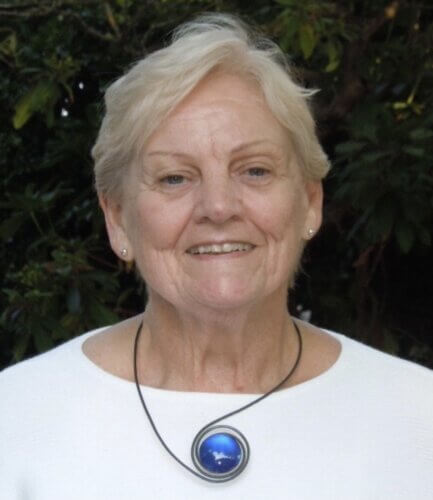
Nadine Zemon can be described as a natural explorer, someone who has sought out new insights and experiences throughout her life. She now brings that relentless curiosity to PCORnet in her role as the newest patient representative on the PCORnet Steering Committee. Never one to be boxed into a single interest area, Nadine spent her younger years exploring dual passions: art and medicine. She has worked as a pediatric emergency room nurse, managed an employee health unit and, with an interest in integrative medicine, practiced massage therapy that incorporated guided imagery techniques of psychosynthesis. Her longtime interest in art led to an appreciation for the value of the arts in medicine and to becoming a graphic designer later in life. Now, Nadine is using her voice on the Committee to infuse the patient perspective into PCORnet-enabled work. Here’s her perspective on this role and why it matters:

What sparked your interest in clinical research?

My mother died of rheumatic heart disease when I was a teenager, which was made all the more tragic because of the fact that she suffered greatly due to a lack of available treatments. As time went on and cardiac care evolved, I marveled at how much more we know now versus then. It made a strong imprint on me about the power of clinical research. My mother’s quality of life could have been completely different if she had experienced her disease today as opposed to 50 years ago. How much more can we help patients 50 years from today?

How did you get involved in clinical research?

I heard about patient-centered research from a friend who was forming the first Citizen Scientists group at the University of Florida. I learned the program was recruiting patients to be involved with the Translational Science program, and I decided to sign up. At the time, the concept of patients having a seat at the research table was so novel, and yet it also made so much sense. I was excited to take part.

What excites you about PCORnet?

The whole idea of patient-centered research excites me. This notion that we should have symbiotic relationships between patients, providers, and researchers feels like it could be a pathway to a whole new era of therapeutic development—one that transforms the “old school” way of conducting research in the best way possible.

How has your role changed as a patient representative in clinical research?

When I first started participating in research, I often doubted my instincts. For example, I might think I was the only one who didn’t understand something, so I wouldn’t speak up. Over time, I’ve learned that if I don’t understand it, most other patients probably won’t either. My voice has become much stronger, and as part of the PCORnet Steering Committee, the patient representatives have actually formalized the process of identifying confusing topics and presenting them to the other Committee members. After each weekly Steering Committee meeting, the patient representatives meet to list areas where we—and the patient community at large—will need more clarity. The Committee is always receptive to this feedback. It is a big part of the value we bring and why we are here!

How do you see the PCORnet Steering Committee evolving in the coming years? 

Now that we patient representatives have found our footing on the Steering Committee, we want to find better ways to communicate with other current or prospective patient reps. We are launching a pilot project to connect with patient partners at Clinical Research Networks to open the communication channels. We want to know their thoughts on PCORnet and the Steering Committee, and we also want to share ways they can get involved in research. Our hope is that by starting these conversations, we can engage with new ideas and maybe even inspire the influential patient representatives of the future.

What would you like other patients looking to engage in research to know? 

We need your voice in research, and there are so many ways to get involved. Also, you don’t have to have a medical degree to be an effective patient representative; you just have to be willing to share you perspective toward the betterment of research.

Clinical Trials In The Era Of COVID-19: How PREVENTABLE’s Pragmatic Design Is Helping It Power Through The Pandemic

With shelter in place and travel bans disrupting traditional clinical research, many teams are adopting new strategies to keep patients safe and studies progressing throughout the COVID-19 pandemic. But PREVENTABLE, a study using the PCORnet® infrastructure to investigate whether taking a drug commonly used to lower cholesterol can help adults aged 75 and older prevent dementia, disability, and heart disease, needed no such overhaul. That’s because it was designed pragmatically from the start, a strategy that gave it the flexibility to weather the pandemic with minimal disruption.

“With PREVENTABLE, we are recruiting 20,000 patients aged 75 or older who we know have common barriers to participation in clinical trials like transportation obstacles, caregiver burden, and medical concerns,” said Schuyler Jones, who is helping lead the recruitment core for the study. “Designing the study in a way that makes research participation easier and more efficient for these participants was a top priority for us. When the pandemic hit and all of these barriers were exacerbated, we were ahead of the curve. There were very few areas to facilitate participation that we hadn’t already thought through on the front end.”

PREVENTABLE had to make only one amendment in response to COVID-19: adding a telehealth option to a previously required on-site visit. The rest of the study was already designed to make participation easy. For example, participants are identified and invited to be a part of the study via PCORnet and the VA Network, both of which have strong ties to the 75-plus community. Researchers then follow participants by phone visits, using electronic health records, the PCORnet Common Data Model, and Medicare data. The study drug is shipped directly to patients’ homes every three months, making participation especially appealing to older adults.

PCORnet as a resource for pragmatic success

PCORnet is central to the PREVENTABLE study’s pragmatic design. Thirty-two of the trial’s sites are affiliated with PCORnet Network Partners, and as the study moves ahead with site activation and enrollment, these relationships and PCORnet’s established infrastructure are key.

“We think of our PCORnet sites as the massive C-5 transport planes of PREVENTABLE,” said Karen Alexander, a principal investigator for PREVENTABLE, referring to the aircraft the U.S. military relies on for carrying large loads. “Once they leave the runway and take off, they will carry a tremendous proportion of our study’s participants and give us a lot of momentum toward successful completion of this research.”

Few studies are focused exclusively on participants aged 75 or older, making PREVENTABLE’s research important to this community. Statins, which are taken by nearly half of Americans who are over the age of 75, have been shown to reduce the risk of cardiovascular events for some patients, but we don’t yet know whether they are helpful for older adults without heart disease.

While PCORnet-affiliated sites and data resources are important aspects of PREVENTABLE, so too is the expertise embedded in the PCORnet community. The study is tapping lessons learned and strategies that proved successful in ADAPTABLE, a PCORnet-enabled pragmatic study of aspirin dosing in individuals with heart disease. These lessons have informed PREVENTABLE’s recent outreach efforts to boost enrollment, including mention in a newly published New York Times article, AARP publications, and local senior guides. In response to feedback that the 75-plus community wanted endorsement of the study by their trusted general practitioner, the PREVENTABLE team has worked to make contact with physicians in advance of visits from potential participants.

“Good pragmatic research is about showing effectiveness of an intervention in real-world clinical practice among broad patient groups, and that requires us to meet patients where they are and be flexible and anticipatory to their needs,” said Jones. “Many of the strategies we are deploying with PREVENTABLE can help fortify research protocols, not only to safeguard them in a pandemic, but through any disruption.”

PCORnet® Experts Join NAM and PCORI to Improve Data Sharing

In the COVID-19 pandemic, the need to optimize health data sharing has become strikingly pronounced. As our understanding of the novel coronavirus evolves, we are reliant on patient- and consumer-reported data to track transmission, understand risk factors for disease, and accelerate the pace of developing a cure—but data sharing in the United States is far from perfect. Recently, several leaders affiliated with PCORnet®, the National Patient-Centered Clinical Research Network, joined other experts convened by the National Academy of Medicine (NAM) and the Patient-Centered Outcomes Research Institute (PCORI) to identify barriers and propose actions to improve health data sharing. Their report, “Health Data Sharing to Support Better Outcomes: Building a Foundation of Stakeholder Trust,” was just published, and it offers an enlightening look at the existing barriers to sharing data and how we can build trust, support, and demand across stakeholder groups to address them.

Several PCORnet-affiliated leaders participated in the effort, either on the Steering Committee or in convening workgroups to inform chapters of the report. They are:

  • Adrian Hernandez, Duke University Medical Center and Duke Clinical Research Institute
  • Rainu Kaushal, New York-Presbyterian Hospital/Weill Cornell Medical Center
  • Richard Platt, Harvard University and Harvard Pilgrim Health Care Institute
  • Russell Rothman, Vanderbilt University

In their effort to accelerate better data sharing, these PCORnet leaders worked in tandem with NAM and PCORI to facilitate conversations with three stakeholder communities: leaders from provider organizations, health care delivery systems, and health plans; researchers and research oversight leaders; and patient and family leaders. The publication summarizes these discussions, with specific attention to the overall vision of these stakeholders for a data-sharing health system, barriers and mitigation suggestions, and overlapping themes for how we can improve data sharing, linkage, and use in the coming years.

PCORnet was noted in the publication as a successful example of data sharing in the research community. The authors also wrote that one action step to help establish trust between data providers and data users is, “to forge national collaborations among health systems, clinical registries, and researchers to determine how data will be used.” Specifically, they noted that, “existing networks could be used to leverage such collaborations, such as the Food and Drug Administration’s Sentinel Network, the eHealth Exchange, or PCORnet.”

The publication’s authors hope that putting these learnings into practice will move our nation closer to achieving the vision of a continuously learning health system and improving health and health care outcomes for all.

How Are Data Tools Improving Pediatric Care? PCORnet® Is Part Of The Answer

Chris Forrest, PCORnet® Steering Committee member and principal investigator for PEDSnet, a PCORnet Network Partner, recently participated in a webinar hosted by U.S. News and World Report entitled “Improving Pediatric Care: How New Data Tools Are Moving the Needle.” The webinar was an exploration of the opportunities for children’s hospitals to use (and share) data to do a faster and more accurate job of diagnosing and treating patients while also improving safety and efficiency. Forrest cited PCORnet®, the National Patient-Centered Clinical Research Network, as an important tool for addressing pediatric challenges and identifying trends over time.

“PCORnet can offer researchers insights from the health records of more than 70 million Americans,” said Forrest on the webinar. He cited as an example that if a researcher wanted to enroll 20,000 kids who have been infected with COVID-19 in a study to explore their phenotypes over the long term, PCORnet can help. The Network offers a breadth of data not available at a single institution, making it a valuable resource for researchers.

Forrest also noted the importance of engaging patients and caregivers to better deploy data tools and move the needle for pediatric research. Patient engagement is a central component of all PCORnet-enabled research.

“We have established regulatory agreements and institutional trust for a national learning collaborative, but we also need to have conversations with families to earn the public’s trust around the bold new ways we can use their data,” he said. “To bring the larger vision of data and technology to life, that bedrock of trust with communities is essential.”

Forrest shared the webinar panel with several other experts:

  • Anthony Chang, Chief Intelligence and Innovation Officer, Children’s Hospital of Orange County
  • Kathy J. Jenkins, Executive Director, Center for Applied Pediatric Quality Analytics, Boston Children’s Hospital
  • Anthony Oliva, Vice President and Chief Medical Officer, Healthcare Division, Nuance

Watch the webinar in full at U.S. News and World Report’s events page.

MedWeight Study Uses PCORnet® to Assess Medication-Induced Weight Gain

Medication-induced weight gain is a common challenge and often triggers concerns among patients who want to know if and how much weight they might gain if they take certain drugs. MedWeight, a PCORnet® Study, was launched to provide evidence that will help determine which medications contribute to weight gain and how much. Providing this evidence will help patients make better-informed choices that could lead to improved health outcomes. The study team is collaborating with three Network Partners of PCORnet®, the National Patient-Centered Clinical Research Network, to conduct the study, which will be the most comprehensive assessment to date of the risks of weight gain associated with taking certain drugs.

“Patients consistently flag concerns about weight gain from commonly prescribed medications as a reason for non-adherence, and yet there are still significant knowledge gaps around which medications contribute the most to weight gain and what role, if any, specific patient characteristics play in weight fluctuations,” said Jason Block, principal investigator of study. “Our goal with MedWeight is to fill in these gaps, offering patients and their clinicians data-driven insights into what they can expect from their medications so they can choose carefully and adhere with confidence.”

The study will include both children and adults and involve separate evaluations of the the five medication classes, comparing effects between subclasses and commonly prescribed individual medications. The MedWeight team will examine the medical records of the children and adults within each class up to 10.5 years after initiating treatment to evaluate how different drugs affected the weight of different types of people.

Deep patient involvement

PCORnet Network Partners PedsNet, OneFlorida, and STAR are the collaborating Clinical Research Networks (CRNs) on the MedWeight Study. From each CRN, a designated patient representative serves in a leadership role on the MedWeight team, advising on all project components from protocol design to dissemination.

“MedWeight is a study inspired by patient feedback, and their input is critical in the development and execution of the work,” said Block. “Once the study is complete, we hope to disseminate our results in a way that is helpful to patients and clinicians. We intend to develop an educational document for patients and providers to help guide choices. The patient perspective on how we disseminate results will be a critical component of this work.”

Patient partners have been with MedWeight from day one. In fact, many of them previously worked on other PCORnet observational studies on obesity and will carry forward lessons learned from those projects to MedWeight.

“Patient partners from our past work in obesity were huge proponents for MedWeight, and our work on the prior observational studies set the stage for us to carry out this new study on medications and weight,” said Block. “The extensive data curation and exploration of available data those studies required are assets that will allow us to hit the ground running with the MedWeight study.”

MedWeight is funded by the National Institute of Diabetes and Digestive and Kidney Diseases (NIDDK). The MedWeight team expects to have initial data characterization established in autumn 2020, with an estimated completion date of spring 2023.

Is There a Connection Between COVID-19 and Popular Hypertension Medications?

PCORnet® Study Comparing Blood Pressure Control Strategies Seeks Answers

During the COVID-19 pandemic, researchers are using PCORnet®, the National Patient-Centered Clinical Research Network, to support several efforts to rapidly inform the nation’s response to the disease caused by the novel coronavirus. The PCORnet Study, “Using PCORnet to Compare Blood Pressure Control Strategies,” is leveraging a broad cohort of hypertensive patients to better understand what, if any, connection exists between the use of ACE inhibitors or angiotensin receptor blockers and incidence and severity of a COVID-19 infection.

This effort is an enhancement to a study that was already underway with funding from the Patient-Centered Outcomes Research Institute (PCORI). The research team recognized the opportunity to capitalize on the work and resources they had built during their study to answer an important question about the coronavirus’s effects on people with heart disease. They received supplemental funding from PCORI to pursue this additional aim.

“Millions of people around the world use ACE inhibitors and angiotensin receptor blockers for blood pressure control, and early concerns exist that the novel coronavirus may enter human cells through receptors that increase with the use of these medications, making those patients more susceptible,” said Rhonda Cooper-DeHoff, co-principal investigator of the study from the University of Florida College of Pharmacy. “Because of the research-ready infrastructure created through PCORnet, our study team was able to expand our aims to rapidly explore this concern.”

PCORnet is a network of networks with fast access to secure, curated data from millions of patients across the largest health systems in the United States, making it a powerful resource for the rapid insights needed in a pandemic environment. Cooper-DeHoff’s study team is drawing on electronic health record data from 1.5 million patients to explore whether there is a statistically significant relationship between the use of blood pressure medications and incidence or severity of coronavirus infection. The PCORnet Common Data Model, which standardizes data across each PCORnet Network Partner, is structured to enable the team to quickly classify detailed medication use, as well as other important patient insights like underlying conditions and comorbidities.

“The robust infrastructure of PCORnet, and particularly the Common Data Model that unites millions of disparate data points so they are usable and meaningful for research, is giving us a significant head start in our search for answers,” said Mark Pletcher, from UCSF, co-Principal Investigator. “In a traditional clinical study, these types of efforts can take years. That’s time we don’t have in a pandemic environment, where we need answers fast.”

Results from this study are expected in late 2020.

A comparison of blood pressure control strategies

Prior to receiving the supplemental funding, “Using PCORnet to Compare Blood Pressure Control Strategies” was focused on three other aims anticipated to give meaningful answers to questions that are important to patients. Pletcher and Cooper-DeHoff also hopes the framework for the study, the PCORnet Blood Pressure Control Laboratory, will serve as a platform used in future research to improve surveillance of patients with hypertension and enhance comparative effectiveness research on the topic.

The first study aim, BP Track, is to conduct national surveillance of blood pressure control with a goal to understand disparities. BP MAP, the second aim, is a cluster-randomized trial comparing two versions of a blood control quality improvement intervention from the American Medical Association. Finally, BP Home is a patient-level randomized trial comparing standard home blood pressure monitoring with a smartphone-linked blood pressure monitoring system. Details of each of these efforts, as well as interim results, have been published at Circulation: Cardiovascular Quality and Outcomes.

“The broad scope of PCORnet means that, unlike many studies of blood pressure control, we are working with a sample that represents the full spectrum of the country,” said Pletcher. “What’s more exciting is that it won’t end with these aims; the PCORnet Blood Pressure Control Laboratory is designed to be a reusable platform to help us pinpoint the health care processes related to blood pressure control that need improvement, learn from high-performing health systems, and better understand how to improve blood pressure control and adherence in our patient communities.”

Patients at the heart of every effort

Every PCORnet Study demonstrates patient engagement in all study aspects and commits to disseminating study progress, metrics, best practices, and results across the Network and in relevant patient communities. “Using PCORnet to Compare Blood Pressure Control Strategies” is no exception, with the University of California San Francisco’s Health Research Alliance of patients engaged in the process. These patients serve on the study’s advisory board for all aims, offering input on materials and methods, dissemination, and more.

“Blood pressure control is part of the daily health regimen for millions of Americans, which makes patient input in this study absolutely crucial,” said Pletcher. “With their guidance, we can ensure that we not only explore the right questions, but also deliver answers to the community in a way that is well received and impactful to our national health.”

Full results from BP Track, BP MAP, and BP Home are all expected late summer 2021.