PCORnet® Playbook
Sharing Your Research Results: Bridging the Gap Between Research and Improved Health Outcomes
Dissemination Requirements for PCORnet® Studies
PCORnet® Study teams are required to share their findings publicly to advance knowledge, strengthen the network, and drive the future of patient-centered research. Importantly, research teams are expected to share results back to the patients and communities involved in the research. Engaging patients, caregivers, community groups, and other partners in your dissemination efforts is key to sharing your results broadly in ways that are meaningful and actionable. Thoughtful dissemination strengthens the connection between research and real-world impacts, helping patients make better-informed decisions about their health and health care.
When possible, PCORnet® Study teams are encouraged to support the implementation of their findings. Methods include developing educational resources for patients and healthcare providers, collaborating with health systems to support adoption of best practices, or championing changes to policies and guidelines.
In addition to meeting PCORnet requirements, PCORnet® Study teams should also follow the dissemination policies of their research funders.
Learn about PCORI funding opportunities to support dissemination and implementation

Last Updated: October 1, 2025
Contents
Dissemination Requirements for PCORnet® Studies
Strategies for Successful Dissemination and Implementation
- Develop a Dissemination Plan
- Engage Patients Early and Often
- Collaborate with Participating Sites and Other Partners
- Share Your Study Results Publicly
Strategies for Successful Dissemination and Implementation
Develop a Dissemination Plan
You are encouraged to include a dissemination plan in your study design to ensure your results are ready to be shared soon after the study is completed. Your dissemination plan should outline your audiences, key messages, and methods you will use to share the study’s results.
In this section, you will find descriptions of dissemination methods to consider, along with resources that may be helpful as you develop your dissemination plan.
Tools for Developing a Dissemination Plan
PCORI D&I framework and toolkit was developed with input from a variety of research partners, including patients and caregivers. The toolkit includes worksheets to plan D&I efforts, a list of potential partner organizations, and a table of dissemination tactics with levels of effectiveness and costs.
This guide from the STAR Clinical Research Network can help you identify your study’s key audiences and appropriate communication strategies and plan dissemination action items with your leadership team.
This training created by the Patient-Centered PaTH to Addressing Diabetes study team provides examples of dissemination approaches and materials to reach academic and lay audiences.
Engage Patients Early and Often
To be most effective, your dissemination and implementation plans should be informed by your research partners’ insights, including Patient Partners. Patients and caregivers are valuable partners in the uptake of study results as they drive the adoption of actionable findings and meaningful changes in health care. From their lived experiences, patients and caregivers can recommend the best ways to reach the communities affected by or interested in the research.
Patient Partners were instrumental in developing language appropriate for a general audience as well as providing feedback on the overall layout and design of dissemination briefs. These were easily accessible on our study website and disseminated to our far-reaching listserv to increase uptake of our findings to the lay public.
 — Jennifer Kraschnewski, Principal Investigator,
A Patient-Centered PaTH to Addressing Diabetes, a PCORnet® Study
 Case Study: A Patient-Centered PaTH to Addressing Diabetes
Patient Partners were integral to the creation of participant materials and the dissemination of results. With the research team, Patient Partners co-developed:
- Bi-annual newsletters
- A study website that described the study and provided resources for diabetes prevention and management
- Manuscripts
- Dissemination briefs and abstracts for lay audiences
- Presentations for community events and scientific conferences
Check out the study’s Research Report for dissemination examples
Collaborate with Participating Sites and Other Partners
Working closely with participating sites, community groups, professional organizations, patient advocacy groups, and other partners to share results ensures your study’s findings reach the right audiences in a meaningful way.
This collaborative approach can be especially helpful to
 Tailor your materials to meet the unique needs or interests of local patient populations and communities.
For example, findings related to children’s health can be shared through child health organizations, schools, or family-focused community groups.
 Reach a broader audience to amplify your study’s impact.
Many sites partnered with PCORnet have large local and regional networks, including partnerships with hospitals, health clinics, and patient advocacy groups.
Patient engagement was a centerpiece for ADAPTABLE, informing every decision made along the way, including how we presented the study to the public and returned results to the community of people who participated in the study. The Adaptors [a national panel of Patient Partners] reminded us that it’s not just about them— it’s actually about the 15,000 participants in the trial, and the millions of people with heart disease. So we made an effort to communicate to study participants and the public through different forums, such as Facebook Live, blogging, and posting results publicly.
 — Adrian Hernandez, Principal Investigator,
ADAPTABLE, a PCORnet® Study
Learn about dissemination approaches for different audiences
Methods for Reaching a Wide Audience
Through clear, accessible dissemination, research findings can be translated into improvements in care. By collaborating with Patient Partners, community groups, and participating sites to co-develop materials, you can make sure the information in your study materials is lay friendly and usable for patients, caregivers, clinicians, policymakers, and communities.
PCORnet Communication Channels
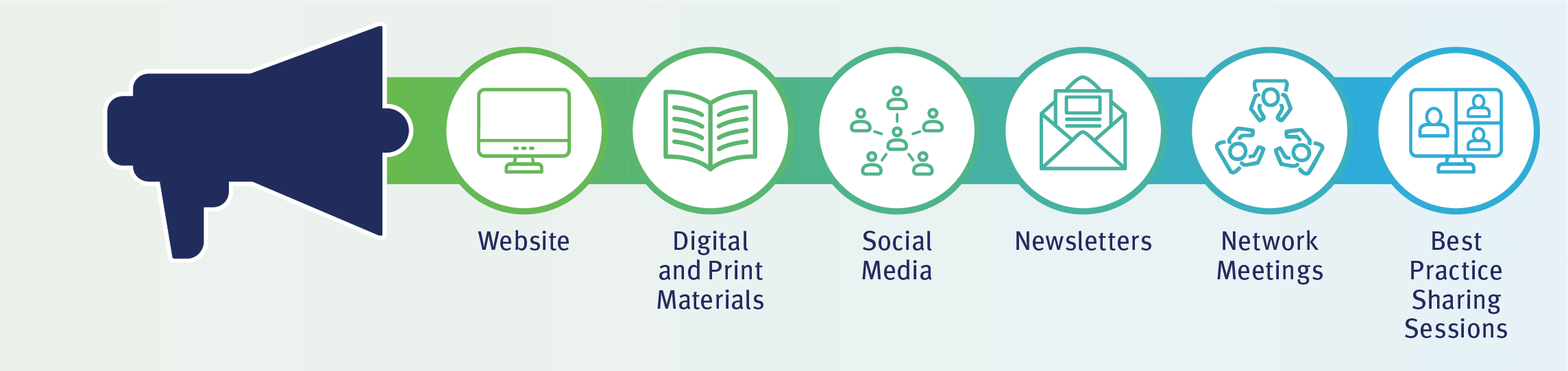
PCORnet communications reach a wide audience of researchers, patient advocacy groups, healthcare organizations, and others interested in patient-centered research. While the Coordinating Center for PCORnet® and the PCORnet® Front Door team cannot directly disseminate study results, PCORnet® Studies may be featured in these network communications:
- Website
- Every study that receives the PCORnet® Study designation has a study-specific webpage, linked from the PCORnet® Studies page. Study webpages include details such as participating PCORnet® Clinical Research Networks, study population, research questions, and links to publications.
- The Newsroom page features the latest news stories about PCORnet, including study updates.
- PCORnet® Studies may be included in a research highlight page that provides summaries of studies in a specific therapeutic area. Current research highlights include cardiovascular health, metabolic disorders, and nephrology.
- Digital and Print Materials: A variety of materials that promote PCORnet® Studies are available on the website and provided or presented at conferences. For example, the PCORnet® Studies fact sheet, found on the About PCORnet webpage.
- Social Media: PCORnet® Study updates may be posted on PCORnet social media channels.
- Public Quarterly Newsletter: The public-facing quarterly newsletter regularly highlights new PCORnet® Studies and the latest published insights from studies powered by PCORnet®.
- Internal Weekly Newsletter: An internal weekly newsletter, sent to the entire PCORnet community, features new PCORnet® Studies and milestones, among other news.
- Network Meetings: PCORnet® Studies may be highlighted in meetings attended by PCORnet leadership, PCORnet® Network Partners, and others interested in comparative clinical effectiveness research.
- Best Practice Sharing Sessions: These 1-hour monthly webinars, organized by the Coordinating Center, are open to people from within PCORnet and the general public. Events are promoted through PCORnet newsletters, the website, and social media. These sessions provide a platform for researchers to
- Discover proven approaches to streamline research processes.
- Build a learning community to share tips and tools to address research challenges.
- Share study findings and the importance of results.
- Discuss ways to implement findings to improve health outcomes.
 Tips for Creating Actionable, Lay Friendly Materials
- Get Feedback: Reach out to the patients, caregivers, and communities who may be affected by your research to learn what matters most to them about the study and your findings.
- Highlight Key Findings: Focus on the main results and why they are important.
- Use Clear, Non-Technical Language: Avoid jargon and explain terms in plain language. If you need to use a technical term, define it using lay friendly words the first time you use the term.
- Emphasize the Real-World Impacts: Describe how your findings affect patient care, treatment options, health outcomes, or quality of life. Emphasize what makes your results meaningful to patients and caregivers.
- Include Visuals: Add simple graphics, charts, or infographics to make the information more engaging and easier to understand.
- Provide Translations: Where appropriate, consider having materials translated to provide information in languages in addition to English.
Plain Language Resources
Researchers affiliated with PCORnet who would like to present a BPSS are encouraged to email the Coordinating Center at [email protected]
Dissemination Methods
 Community Presentations and Events
Consider co-hosting interactive presentations with Patient Partners, participating sites, community groups, and others to share your study’s findings directly with patients and communities. These presentations could take place by webinar or in-person at events such as health fairs or community meetings. To deepen engagement, allow time at the end for attendees to ask questions and provide feedback. Meeting polls can also be helpful to get input on study materials and how to best share results.
Examples:
- RECOVER R3 Seminar Recap: Effectiveness of Paxlovid in Protecting Against Long COVID: EHR Insights
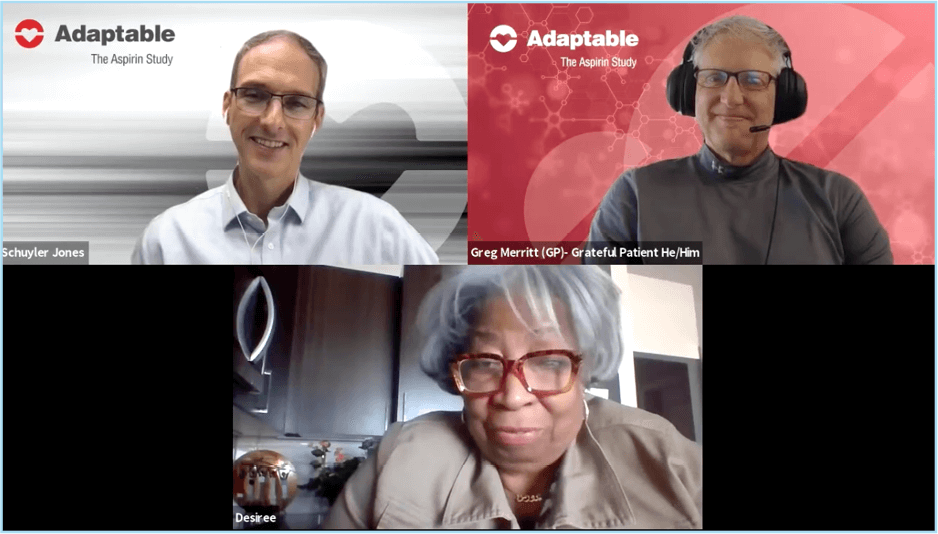
- In the ADAPTABLE study, Patient Partners were embedded in dissemination planning and implementation. At the end of the study, two Patient Partners hosted a virtual town hall to present the results and discuss the importance of the findings.
 Lay Summaries
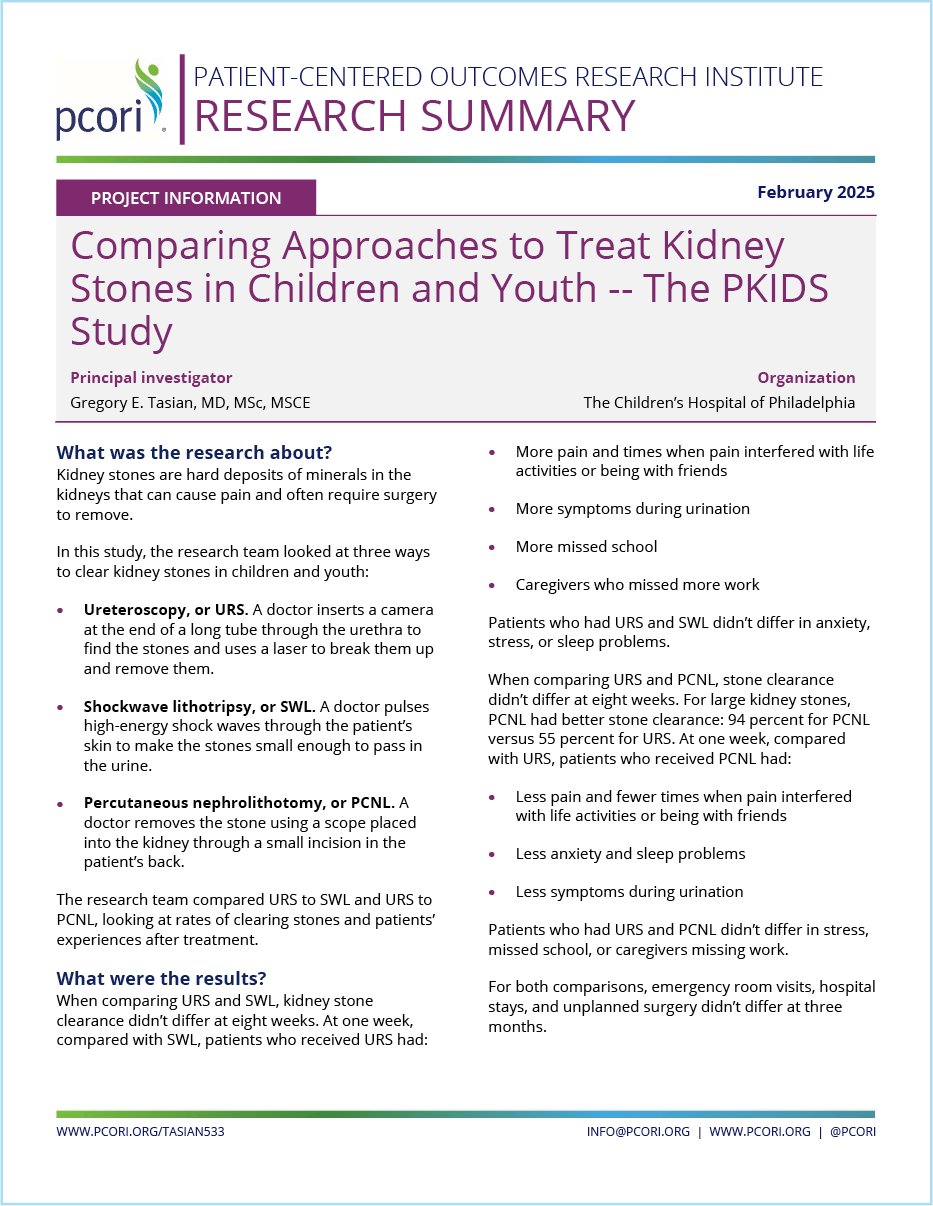
Translating complex scientific findings into lay summaries makes your research accessible to a broader audience, including patients, community members, policymakers, and non-specialists. The PaTH Clinical Research Network designed a template for sharing the results of a published article with the general public.
Examples:
- A Patient-Centered PaTH to Addressing Diabetes (p. 142-148)
- ADAPTABLE: comparing the safety and effectiveness of low-dose versus high-dose aspirin to prevent problems from heart disease
- Pediatric KIDney Stone (PKIDS) Care Improvement Network
PKIDS Study Lay Summary

 Newsletters
Study-specific newsletters for participants or site staff can be an effective way to share your results with people directly involved in the research. Collaborating with participating sites, health systems, and community groups to include your study updates in their newsletters can be another way to reach people who may be most affected by or interested in your findings.
Examples:
 Videos
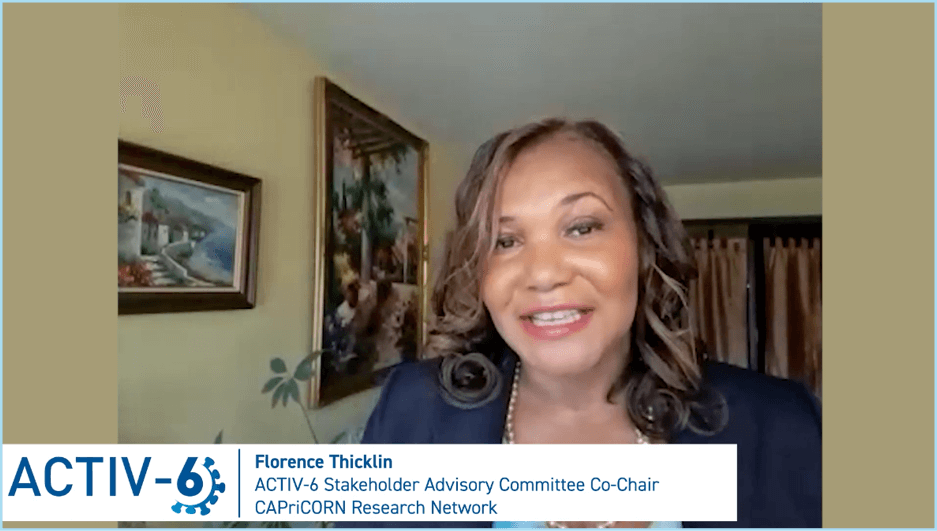
Short videos to explain the study results can increase understanding of the importance and potential real-world impact of your findings. Posting videos on study websites, partner websites, and social media can also increase engagement.
Examples:
Incorporating participants’ stories, with their permission, into study materials can increase engagement with your content and broaden your reach. Read RECOVER participant stories
Social Media
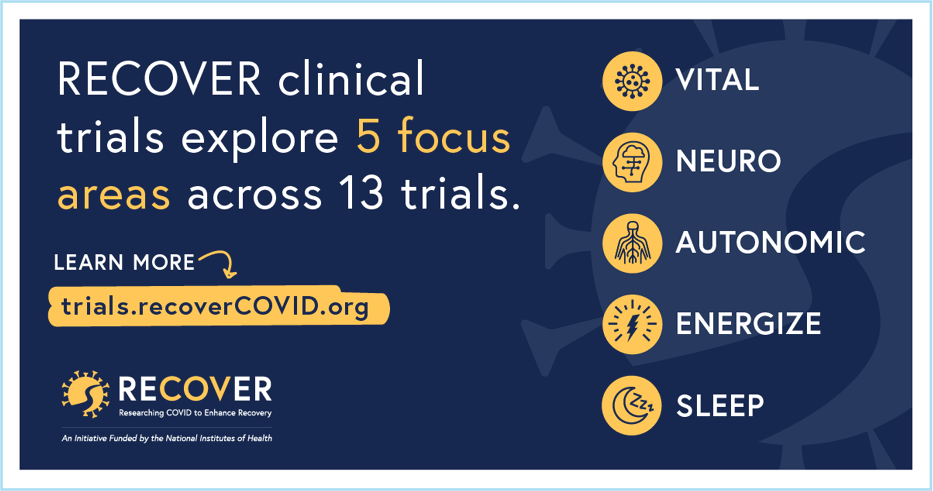
Study pages, posts, and live events on social media can be a good way to connect directly with patients. By tagging participating sites, patient advocacy groups, and healthcare organizations in posts about your study, you can increase awareness of your findings and potentially engage new audiences.
Social media toolkits provided to partners to share on their existing accounts can also be effective to broaden your study’s reach without the need to manage your own study-specific accounts.
Examples:
RECOVER Social Media Image
Websites
Study websites and partner websites are excellent platforms to share information about your study, why it matters, and your findings.
Examples:
- Greenlight Study
- Pediatric KIDney Stone (PKIDS) Care Improvement Network
- Pragmatic Evaluation of Events and Benefits of Lipid-lowering in Older Adults (PREVENTABLE)
- Researching COVID to Enhance Recovery (RECOVER) Impact
Using a variety of dissemination methods that go beyond publications in academic journals, you can ensure your study findings reach patients, communities, and healthcare providers in ways that are accessible, engaging, and impactful.
Resources for Engagement, Dissemination, and Implementation
These additional resources can help you bridge the gap between your findings and improved health outcomes for patients:
PCORnet
The PCORnet Knowledge Repository includes several resources for engagement, dissemination, and implementation, including
- Engagement Guidance and Resources for Patient-Centered “Data-Only” Studies
Provides examples of communication strategies for a variety of audiences - Partnerships and Infrastructure to Support Patient and Stakeholder Engagement: A Scan of PCORnet Practices
- PaTH to Health Just-In-Time Study Results and Dissemination Training
- Tip Sheet for Researchers on Engaging Community Groups and Patient Partners
PCORI
These PCORI resources may be used as a guide for any patient-centered study’s engagement, dissemination, and implementation plans.
NIH Pragmatic Trials Collaboratory
- Dissemination Approaches for Different Audiences
- Implementation
- Moving Beyond Return of Research Results to Return of Value
- Closing the Loop in Research/CareDelivery Partnerships: Communication and Dissemination in Learning Health Systems
- Pragmatic Clinical Trials and Learning Health Care Systems: Strategies to Facilitate Implementation of Results into Clinical Care
Publications
- Medical Care Special Issue on Engagement in PCORnet Research Networks
This special issue includes 10 papers from PCORnet® Network Partners describing a range of engagement strategies, challenges, and successes in patient-centered research. - Lessons Learned from Developing Plain Language Summaries of Research Studies
This article includes a research summary template PCORI developed and tested with members of the public, clinicians, and others who use lay summaries in their work with patients.